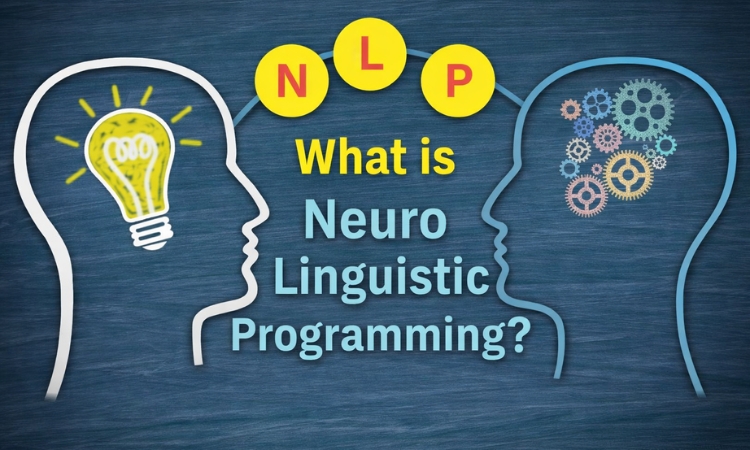
In this fast-paced and digitalized world, where highly effective communication and personal development are more important than ever, most people are going for alternative approaches for enhancing their lives. One of these methodologies that has gained attention is neuro-linguistic programming, commonly known as NLP. But this is the right approach that has garnered the attention of therapists, coaches, business leaders, and other individuals that are looking for personal transformation. Let’s explore the major world of NLP and understand how this can easily reshape the life experience.
Understanding the Core of NLP
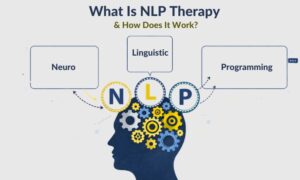
At its core, NLP, or Neuro-Linguistic Programming, is actually a set of models that create greater self-awareness for a person’s inner world. The name means its basic and fundamental components: “Neuro” refers to neurological processes and how this can be processed through human senses. The word “linguistic” relates to how we can use our language through which we communicate and make our experience for “programming,” which can refer to behavioral patterns that we have learned and can easily reprogram.
NLP is fundamentally an understanding of the language and how our thoughts can easily shape our experiences along with the behaviors. This operates on our premise that for understanding and modifying these types of patterns, we can provide for positive changes for our lives. Defined as a major set of techniques along with the principles that are aimed towards personal growth, behavioral patterns, and communication, NLP goes through the intricate connection of what we can think, how we behave, and how we communicate.
The History and Origins of NLP
When we talk about the history of NLP, this takes us towards a vibrant and intellectual landscape of the 1970s, though these are the theoretical roots that can extend towards the writings of influential thinkers like Chomsky and Korzybski from the years 1960 to 1970, who actually affected the study of linguistics. NLP came out as a different methodology until John Grinder, a linguistics professor from the California University, along with Richard Bandler, a student of psychology, collaborated and discovered what made certain therapists highly effective.
This groundbreaking work from them involved studying and modelling the best therapists of their time, like Virginia Satir (family therapy pioneer), Fritz Perls (Gestalt therapy founder), and renowned hypnotist Milton Erickson. Through careful observations as well as analysis, Bandler and Grinder identified patterns for these experts’ body movements and language along with thought processes and codified these patterns as these body movements, language, and thought processes and codified these types of patterns into different teachable techniques. This process of achieving and modeling excellence thus became a cornerstone of NLP methodology.
How NLP Works: Key Principles and Techniques
NLP operates on multiple foundational principles that can distinguish it from other therapeutic approaches. At the core, these concepts are for subjective reality that’s created for sensory perception (gustatory, olfactory, auditory, visual, and kinesthetic) and filtered through the beliefs, memories, and values. NLP helps us in explaining how to be exactly aware of our experiences for our inner senses and outside world and how exactly to filter the different techniques like reframing.
Some of the powerful techniques that are the backbone for NLP practice:
- Anchoring
This type of technique involves the creation of a conditioned response for the specific stimulus (like sound or touch) that can trigger an emotional state. For instance, recall a time when you felt confident while touching your thumb along with your forefinger to create an anchor that can activate whenever you need to have confidence.
- Reframing
This is a transformative technique that can help individuals change their perspective, situations, and behaviors for finding new or more empowering changes. What was once seen as a major limitation can be framed as an opportunity and strength for growth.
- Meta-Model
This linguistic tool can help for the identification of challenging language patterns that can limit thinking. By asking some of the certain and specific questions, we can easily discover the deeper structures.
- Milton-Model
This is a linguistic tool that’s designed and named after Milton Erickson. This approach uses vague language in a very artsy form towards communicating with the unconscious mind.
- Swish Model
A great technique designed towards replacing unwanted behaviors and responses with better and more desirable ones by interrupting negative patterns and installing positive elements.
Practical Applications of NLP
The versatility in NLP has led towards application in multiple fields. For therapy and coaching, practitioners can use NLP for helping clients overcome problems like phobias, trauma, and anxiety, along with limiting beliefs. Most therapists find the NLP techniques can provide for quick changes when compared to traditional therapy, especially for issues like unwanted habits or phobias.
In the business world, NLP has become an invaluable tool for sales training, leadership development, and team building. The different sales professionals can go for building rapport fast, understanding the client’s needs and unconscious needs, and communicating in a more passive manner.
Education for another field can benefit from different NLP principles. Teachers that are trained for NLP can identify learning styles, create the most engaging lessons, and help students to overcome barriers. Students can also use NLP techniques for improving memory, confidence, and focus for academic settings.
Personal development thus remains one of the strongest aspects of NLP. People who are using NLP for enhancing conversation skills or improving confidence, breaking bad habits, managing stress, and achieving their personal goals. This self-directed nature provided by NLP makes it accessible for personal growth without any kind of formal therapy.
Criticisms & Considerations
Despite the reported success stories and popularity, NLP has faced major challenges and criticism from the scientific community. Multiple researchers consider and classify the techniques of NLP as some kind of pseudoscience approach towards personal development, communication, and psychotherapy. Critics also argue NLP does not have the right evidence that can support its effectiveness, and most of the theoretical foundations are not validated through scientific testing.
This field also has a lack of training standards or any kind of certification processes, thus leading to variations for practitioners and their skill levels. Some critics also claim that the terminologies and concepts in NLP can be vague or also metaphorical rather than just being precise and measurable.
The supporters of NLP also point out numerous success stories and factors as well as practical aspects of NLP. Yet, the scientific community argues that validation is important, and subjective experience for any positive should not be just dismissed. Many practitioners now choose a better and more integrative approach, thus combining NLP with the evidence-based approach, thus combining NLP techniques with the evidence that is practice-based from neuroscience and psychology.
Is NLP Right for You?
If you want to go for NLP, whether you choose workshops or NLP or want to work with a practitioner. This is the right approach for both discernment and openness. Look for the practitioners who have completed some certification programs and who integrate NLP with the evidence-based approaches.
Understand that NLP is a toolkit, not a complete system. The effectiveness of NLP directly depends on the practitioner’s skills and the participant’s willingness towards engaging in this approach. NLP can be considered as a broader strategy towards personal development rather than just some magical solution for complicated problems.
Conclusion: The Evolving Landscape of NLP
NLP remains a major field that continues to emerge higher and evolve with time. While this can’t be the best solution according to some people from the science community, its practical techniques have actually helped people across the globe towards overcoming limitations, improving communication skills, and achieving personal breakthroughs.
Whether you want to enhance your life or move higher ahead in life or are searching for professional effectiveness or want to know yourself better and deeper, NLP provides that tool for exploration and helps you attain what you want from your life, although with realistic expectations.